
Settings - WriteFoxy Nuts and Bolts Part 4
Creating settings that feel authentic and reveal more about your characters

Hi lovely writers!
In this series of my WriteFoxy Foxy Notes, we’re going back to basics, covering a different aspect of story each week. This week, we’re looking at SETTINGS.
Settings or locations are a key part of every story. But they can bring so much more than just a view from a window or a backdrop for the action. They can even be a character in their own right!
So, how do you choose settings that bring your story to life? And what makes a great setting for a scene?
Grab a pen and a piece of paper and let’s dive in…
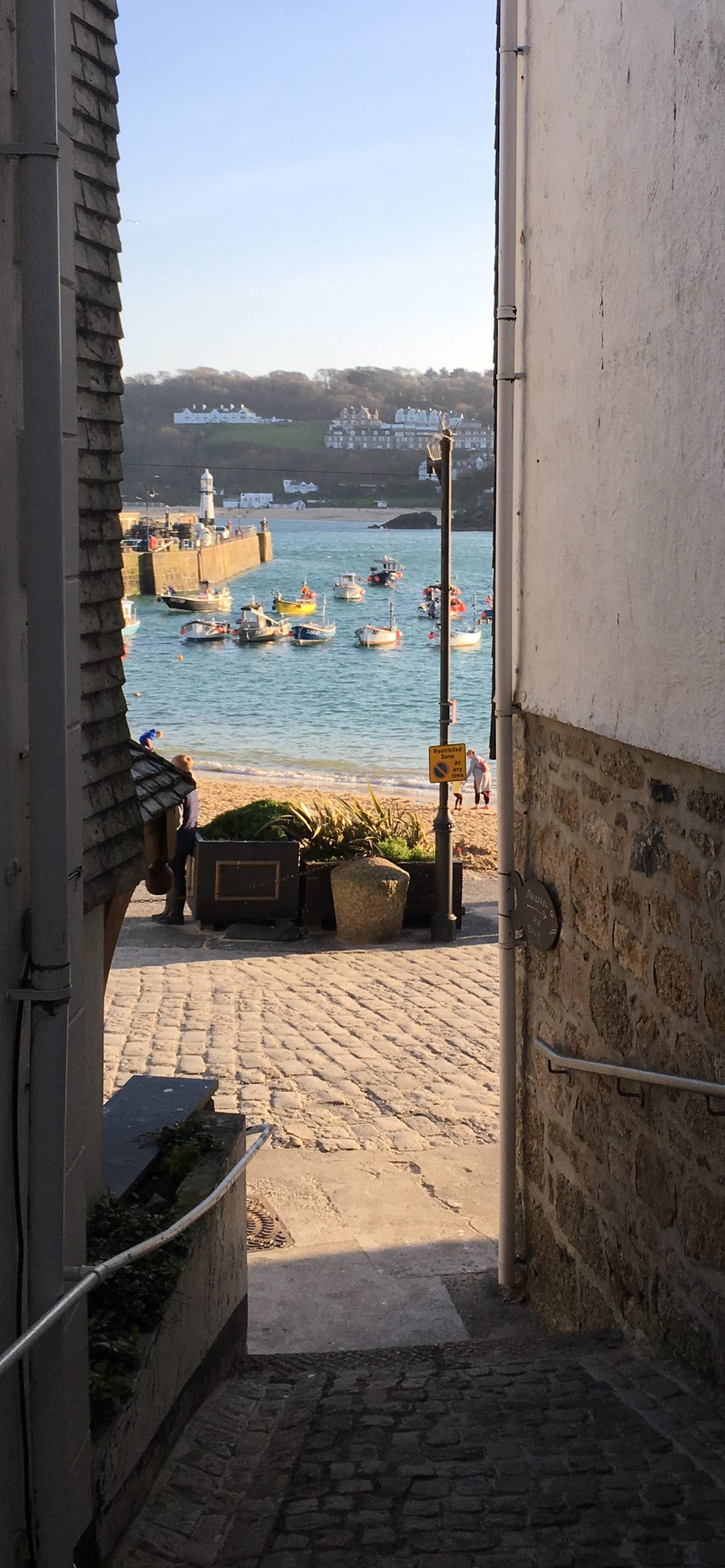
Settings – Starting Points
Every story needs settings (or locations – in these notes I use ‘settings’ to mean the physical places that exist within your story as a backdrop to the action). Settings help us picture where the action takes place and at their basic level are set-dressing for the scenes you write.
But I think settings can reveal so much more to your reader about the story. The place a character lives – whether they have chosen to live there or have ended up in that place – can reveal key things about their personality, their hopes and dreams, their fears, their past or the future they long for.
The atmosphere in a particular place can be a great indicator to your readers of how your characters might feel to be there, for example; the effect of the setting on the senses can be another. What does it look like, smell like, sound like? Details like this bring a setting alive and create touchpoints for your readers. Make them feel like they’re there, bring them right into the scene.
Here are two ideas for making the most of your settings:
Make it real – If you’re struggling to capture a sense of place and setting in your story, try this: go for a walk. Take a pen and paper with you and note down everything you notice around you. What’s the weather like? And the temperature? Is it light, dark or a mixture of both? Are there lots of people around or none at all? And if there are people around, what does their mood seem like? What buildings do you see? What nature? What can you hear? What can you smell? How safe do you feel? Is the place familiar or unknown? Have things changed from how you remember them, and if so, do the changes make the setting appeal to you more or less?
All Five Senses – Settings are so much more than just a place. As writers there are many ways we can evoke a sense of a setting or location beyond describing its physical appearance. So try this: think of places that are familiar to you, that you see every day or that you have fond memories of. Write down a colour, a scent, a taste, a sound and a tactile texture you associate with the place. See how much of a picture you create without just describing the look of the place. These sensory clues can build a deeper, more personal picture for your reader, evoking emotion as well as a mental image. Try it with places you like and places you don’t, to see how using this different kind of information changes how the place is presented.
SETTINGS – Pleased to meet you?
Have you ever thought of settings or locations that were characters in themselves? Some of the most memorable books I’ve read and films I’ve watched featured settings or locations that felt as important as characters in the story.
Think of New York in When Harry Met Sally, the bookshop in You’ve Got Mail, or the iconic, grand stately home of Downton Abbey. What characteristics does each signify? And how do the characters relate to each one? Are they in love with their town, city, home, wilderness, etc? Or is it a prison where painful memories hide?
Try this:
Getting to Know You – Imagine your location was a person. What would they be like? Happy, hopeful, dreamy? Dreary, gloomy, brooding? What would they look like? How would their voice sound? Would they be someone other people would choose to spend time with, or someone they felt tied to, or someone they wanted to avoid? Think of them like a person and the clues that you would gain from them, creating an emotional link between the story and settings for your readers. What does your story location reveal about the characters who live there? Is it warm and welcoming or restrictive and lonely? By thinking of place as a character you can see how your characters’ lives are affected by where they live and that gives you new opportunities to broaden your readers’ understanding of the world you create in your story. It makes your book locations feel authentic and real and adds another dimension to your storytelling.
SETTINGS – In Summary
1. Make your settings authentic and bring them alive with sights, sounds, scents and atmosphere.
2. Consider what the settings in your story can reveal to readers about your characters, their hopes and dreams, fears and world views.
3. Make your settings a character in themselves. What ‘character’ would each setting have if they were a person? How does this affect your characters in the story?
More Resources
If you’ve found this helpful and would like further ideas for making the most of settings from first draft to final edit, I have my Settings Nuts & Bolts Ideas Bank, packed with ideas, exercises and practical advice. It’s available to my paid subscribers here on Substack, or as a downloadable PDF for just £1 on my Ko-Fi page. There will be an Ideas Bank PDF for each of the twelve aspects of this series, so you can choose the ones you need or collect the set! Find the collection here - new ones added each week!
NEXT TIME: DIALOGUE!
That’s all for this week…
…but remember to give yourself credit for what you achieve, give yourself grace for what you don’t and give yourself permission to have fun with what you write. Have a great writing week and see you next Monday morning for more Foxy Notes!
Happy writing!
Miranda x